


Purchasing a cnc machining center is a big investment. The decision feels complex with many technical specs to compare. You might ask yourself: how can you make sure the machine you buy now will meet your needs tomorrow? The answer is to carefully check how your specific needs match up with the machine's capabilities. This guide focuses on key points: what you need, the kind of machine, how it performs, and total cost. Each point needs careful attention during your selection process. We provide a step-by-step plan here. This plan turns a hard task into a simple checklist. You will gain confidence in your purchase. Your cnc machining center choice will match your production goals. We emphasize practical cnc knowledge throughout. You will understand cost implications clearly.
First, figure out what your part needs. Think about the material, size, and how exact it must be.
Pick the correct machine type. VMC is for flat parts. HMC is for cubic parts.
Match the spindle speed and power to the materials you use. Use high speed for soft materials, and high torque for hard ones.
Check how rigid the machine is. Rigid machines keep accuracy and cut down on shaking.
Choose a control system that works with your CAM software and is simple for operators to use.
Plan for tools and accessories. Tool changer size, coolant, and chip removal matter.
Think about the total cost. Remember to include installation, upkeep, and downtime.
Choose a machine that can grow. Options for more axes and automation protect your investment.
Before you compare machine specs, you must define what your parts demand. Every machining center excels at certain tasks. No single machine handles everything perfectly. Your application requirements form the foundation of your decision. Start by examining your parts closely. Then consider your production patterns. Finally, establish your quality benchmarks. This process prevents costly mistakes later.
Your part's material and shape drive most technical decisions. You cannot choose spindle power, tooling, or machine rigidity without understanding these basics. Take time to document every part you plan to produce. Include future parts you anticipate. This analysis shapes your entire selection process.
Material hardness directly affects machining efficiency. Harder materials like D2 tool steel or Inconel cause increased tool wear. They require slower speeds and feeds. They also generate higher cutting forces. These forces demand a robust spindle and rigid machine construction. Softer materials like aluminum or copper need less power. You can machine them at higher speeds with lighter equipment.
Machinability matters just as much as hardness. Some materials behave poorly during cutting. For example, 304 stainless steel is "gummy." It forms stringy chips that can damage surface finish. It may even break tools. You need specific tooling and feed strategies for such materials. Your machining center must support those strategies through adequate coolant flow and chip evacuation.
Ask yourself: what materials dominate your workflow? Steel and titanium require a machine with high cutting force capability. Aluminum and copper allow you to prioritize speed instead. Your answer narrows your options significantly.
Part geometry determines how many axes you need. Flat or simple shapes work well on a 3-axis mill or router. These machines move the tool along X, Y, and Z axes. They handle most basic milling, drilling, and tapping operations.
Curved, multi-surface, or internal features demand more capability. You may need 5-axis machining or electrical discharge machining (EDM) for these parts. Five-axis machines rotate the tool or workpiece along additional axes. This allows complex, multi-angle cuts in a single setup. Deep pockets and non-standard radii also complicate machining. They may require custom tooling or specialized machine configurations.
Consider your typical part features carefully. Simple designs do not justify advanced machines. Intricate designs require higher precision and versatile capabilities. Aligning your features with standard axes reduces complexity. This alignment also lowers setup time and cost.
Your production volume shapes several machine decisions. It affects tool changer capacity, automation needs, and overall machine durability. You must match the machine's throughput capability to your actual demand.
High-mix, low-volume operations produce many different parts in small quantities. These shops need machines optimized for short runs and quick changeovers. They benefit from fast tool changes and flexible programming. Low-mix, high-volume operations run the same parts continuously. These shops need durable, efficient machines that maintain consistent output. They can justify automation investments more easily.
Your production pattern also affects spindle duty cycle. Continuous heavy cutting wears components faster. Intermittent light cutting allows more flexibility in machine selection. Be honest about your actual production mix. This honesty prevents under-specifying or over-spending.
Tool changer capacity should match your typical job requirements. A job requiring many different tools needs a larger magazine. High-mix shops often need a large number of tools available. Low-mix operations may manage with fewer. Automatic tool changers reduce cycle time and operator intervention. They prove essential for high-volume production.
Consider future automation integration. Robotic loading and unloading require machine interfaces designed for that purpose. Pallet pool systems allow unattended operation. Even if you do not automate immediately, choose a machine that can accommodate these upgrades later.
Tolerance and surface finish requirements directly impact machine cost. Tighter tolerances demand more rigid machines, thermal stability, and environmental controls. You must define these requirements before comparing prices.
Standard machining tolerance is ±0.005 inches (0.127 mm). This baseline works for many general applications. Precision tolerance tightens to ±0.002 inches. The tightest possible standard tolerance is ±0.001 inches (0.0254 mm). That measurement is roughly the diameter of human hair.
Tolerance tightness has an exponential cost impact. Standard tolerances at ±0.1 mm represent baseline cost. Tight tolerances at ±0.025 mm require 2.5 times the machining time. Very tight tolerances at ±0.01 mm require five times or more. These tighter tolerances demand specialized equipment and environmental controls.
Different industries require different tolerances. Surgical instruments and precision bearings need ±0.0001 inches. Hydraulic components and optical mounts require ±0.0003 inches. Connector housings and valve bodies typically need ±0.0005 inches. Structural components and general housings work fine at ±0.001 inches. Match your machine precision to your actual application needs.
Tight tolerances demand exceptional machine rigidity. A rigid machine resists deflection under cutting forces. This resistance maintains tool position accuracy. Heavier machines absorb vibrations better. They also withstand daily operational forces with less wear. Cast iron frames provide excellent damping properties. Steel welded frames offer strength but may transmit more vibration.
Thermal stability becomes critical for precision work. Machines generate heat during operation. This heat causes components to expand. Expansion changes tool position relative to the workpiece. Temperature-controlled environments help maintain consistency. Some machines include thermal compensation features. These features adjust for temperature-induced dimensional changes automatically.
Surface finish requirements also affect machine selection. Surface roughness is expressed as Ra (roughness average) in microinches or micrometers. Standards include ISO 21920-2:2021 and ASME B46.1-2019. Tighter surface finish requirements affect how parts seal, slide, or bond. They typically demand additional finishing processes like grinding or lapping. Standard machining produces surface roughness of 63 microinches for flat surfaces. Curved surfaces typically achieve 125 microinches. Your surface finish needs may require extra machine capability or secondary operations.
Your precision requirements directly influence your budget. A machine capable of ±0.001-inch tolerances costs substantially more than one handling ±0.005 inches. Define your real needs before you start comparing models. This definition ensures you pay only for the precision you actually use.
The machine type you pick affects your whole production process. Each type has a specific job. Knowing these differences helps you match the machine to your parts. This section explains the main types so you can choose wisely.
The vertical machining center (VMC) and horizontal machining center (HMC) are the two most common types. They differ in spindle direction. A VMC holds the spindle vertically, pointing down at the part. An HMC positions the spindle horizontally, coming at the part from the side. This simple difference creates big performance changes.
Aspect |
Vertical Machining Center (VMC) |
Horizontal Machining Center (HMC) |
|---|---|---|
Best for |
Flat, single-sided parts, short runs |
Multi-sided castings, high-volume production |
Initial cost |
Lower (standard rate) |
Very high (2–3 times more) |
Chip evacuation |
Poor – chips pool on the part |
Excellent – gravity pulls chips away |
Setup speed |
Fast – standard vises |
Slow – custom tombstone fixtures |
Ergonomics & visibility |
Easy loading, operator looks down |
Awkward, spindle buried deep, poor visibility |
Footprint |
Compact (1x space) |
Bulky (takes space of 3 VMCs) |
Automation |
Optional |
Requires pallet pools and chip conveyors |
Ideal geometry |
Simple brackets, base plates |
Valve bodies, pump housings, complex castings |
The vertical machining center works best on flat, single-sided parts. Think of base plates, brackets, and cover plates. These parts need machining on one face only. The VMC handles them well. Setup is quick because you can use standard vises. You also get good visibility during work. You look down right at the cutting action. This helps with inspection and tool monitoring. The small footprint fits smaller shops. You can place a VMC in limited floor space without losing capability.
Horizontal machining centers work great with cubic parts. Valve bodies, pump housings, and complex castings benefit from multi-sided access. The horizontal spindle reaches several faces without moving the part. Chip disposal works naturally. Gravity pulls chips away from the cutting area. This stops chips from being cut again and improves surface finish. High-volume production justifies the higher cost. The HMC's speed and automation options offset its initial price over time.
Most shops start with a cnc vertical machining center. This machine type offers flexibility at a fair price. You can handle many different jobs with one machine. The key question involves axis setup. Your part complexity determines how many axes you need.
A 3-axis machine moves the tool along X, Y, and Z linear axes. It handles flat parts, pockets, and drilled holes. Most basic machining jobs fit within this range. A 4-axis machine adds rotation around one axis, usually the X-axis. This rotation lets you machine round features or index parts for multi-sided work. A 5-axis machine adds two rotational axes. This setup allows complex shapes in a single setup.
Choose a cnc vertical machining center with modular design when you expect future needs. You can add a 4th or 5th axis later. This expandability protects your investment. You start with what you need now and grow as your needs change.
5-axis CNC machining becomes best when you need higher precision for complex parts. These machines improve production speed and cut lead times through fewer setups. They handle complex shapes that 3-axis machines cannot make. You get better surface finishes and improved drilling abilities. Industries like aerospace, automotive, medical, and energy often use 5-axis equipment for detailed parts needing tight tolerances.
The term "machining center" describes a specific group. Other cnc machines serve different purposes. Knowing these differences prevents wrong choices.
CNC milling machines do basic milling work. They lack automatic tool changers and enclosure systems. Machining centers add these features for higher output. CNC router machines cut softer materials like wood, plastic, and aluminum. They run at higher speeds but have lower rigidity. CNC turning machines spin the workpiece while a fixed tool cuts it. They make round parts efficiently. CNC laser cutting machines and CNC plasma cutting machines use heat processes. They cut sheet metal with precision but cannot do milling work.
Your application decides the right equipment. Simple milling tasks may only need a basic mill. Complex, multi-operation parts need a machining center. Large, flat sheets suit laser or plasma cutting. Round parts belong on a turning machine. The most popular cnc machines vary by industry. The best cnc machines match your specific production needs.
GooDa Machinery offers special setups for demanding jobs. Their Duplex Milling Machines handle large workpieces from two sides at once. Gantry-type Machines provide huge travel ranges for oversized parts. These machine types serve mold and die making industries where precision and rigidity matter most. You should look at these options when your parts exceed standard machining center abilities.
Knowing these machine types helps you narrow your search. You match the setup to your part shape, production volume, and precision needs. This match ensures you invest in equipment that delivers results.
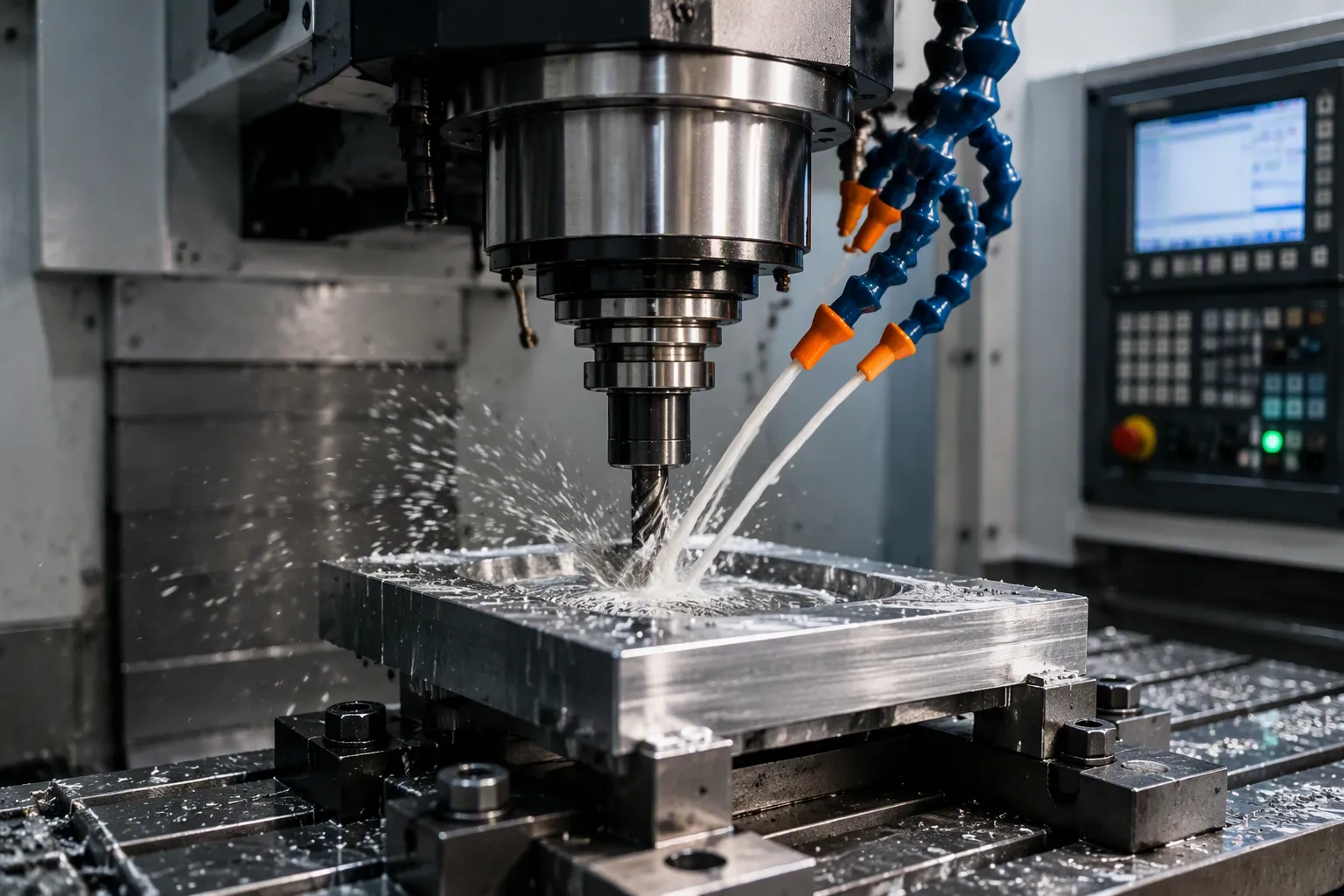
Machine performance controls how fast and how accurately you make parts. You need to check several key specs before you choose. These specs affect your cycle times, part quality, and tool life. Knowing them helps you pick a machine that fits your real production needs.
The spindle is the core of your cnc machining center. It holds the cutting tool and spins it at the speed you set. Spindle speed and power decide which materials you can cut well. You must match these specs to the materials you use most.
Spindle speed, shown in RPM, controls how fast the cutting tool turns. Different materials need different cutting speeds. Soft materials like aluminum work best at high spindle speeds. You can remove material faster and get smoother surfaces. Hard materials like steel and titanium need slower speeds. High speeds create too much heat and wear out tools quickly.
Your tooling also changes the best spindle speed. Smaller tools need higher RPM to keep the right cutting speed. Larger tools need slower speeds to avoid overheating. You should check the suggested cutting speed for each tool and material pair. A correct cutting speed removes material well. It also keeps parts accurate and surfaces smooth.
Horsepower and torque do different jobs in machining. Horsepower measures the total work the spindle can do over time. Torque measures the twisting force at the spindle. The formula HP = (Torque x RPM) / 5252 shows how they relate. This formula shows that torque and horsepower balance each other.
High-speed spindles fit soft materials like aluminum. They give high RPM with moderate torque. High-torque spindles handle hard materials like steel and titanium. They provide strong cutting force at lower speeds. Heavy cutting needs both enough horsepower and high torque. You need torque to push the tool through the material. You also need horsepower to keep that cutting action going.
The trade-off between torque and horsepower is described by the formula
HP = (Torque x RPM) / 5252. High-speed spindles are suited for soft materials like aluminum, while high-torque spindles are needed for hard materials like steel and titanium.
Feed rate controls how fast the tool moves through the material. Rapid traverse speed controls how fast the machine moves between cuts. Both affect your total cycle time and output.
Cycle time includes cutting time and non-cutting time. Cutting time depends on your feed rate and spindle speed. Raising the feed rate removes material faster. This cuts cutting time directly. But you must control the feed rate carefully. Too much feed breaks tools, ruins surfaces, or overloads the machine.
Non-cutting time includes tool changes, positioning moves, and part loading. Rapid traverse speeds decide how fast the machine moves between jobs. Higher rapid speeds shorten this non-cutting time. Cutting non-cutting time often boosts productivity more than raising spindle speed. You should look at both factors when comparing machines.
Acceleration and deceleration affect how fast the machine reaches its set speed. A machine may have a high rapid traverse rating but take time to get there. Short positioning moves may never hit full speed. The machine spends most of the move speeding up and slowing down.
This matters most during 3D contouring moves. The machine changes direction constantly. High acceleration rates allow faster direction changes. This improves effective rapid speeds during complex work. You should check acceleration specs, not just top speed numbers. A machine with lower top speed but higher acceleration may finish short moves faster.
Machine rigidity decides how well the machine holds position under cutting forces. A rigid machine resists bending and shaking. This resistance directly affects your part accuracy and surface finish.
The machine frame is the base for all machining work. Cast iron frames dampen vibration very well. They absorb cutting forces without passing shaking to the workpiece. This damping improves surface finish and extends tool life. Steel welded frames offer high strength and stiffness. They handle heavy cutting loads well but may pass on more vibration.
In high-speed machining, a rigid machine setup reduces tool bending. This ensures the tool follows the programmed path with little error. You get high-quality surfaces and accurate parts. Rigidity also allows higher speeds and feeds by reducing vibration and chatter.
The guide system carries the moving parts of your cnc vertical machining center. Linear guides use recirculating ball bearings. They offer low friction and high speed. They fit jobs that need fast positioning and smooth motion. Box ways use sliding contact surfaces. They provide excellent damping and rigidity. They handle heavy cutting loads with little vibration.
The rigidity and power of the cnc machine set the maximum cutting speed and feed rate you can reach. This directly affects both productivity and accuracy. A vertical machining center with strong construction keeps accuracy under tough conditions. You should match the guide system to your usual cutting work. Heavy roughing benefits from box ways. High-speed finishing benefits from linear guides.
Your choice of cnc vertical machining center should match your performance priorities. Think about the materials you cut most. Think about the precision you need. Think about your production volume. These factors guide you to the right spindle, feed, and rigidity specs. The best machine performance fits your specific application needs.
The control system works like the brain of your machining center. It reads your part program and turns it into exact tool movements. It also decides how easy your operators can use the machine. The software you choose affects your programming time, part accuracy, and data collection. You need to look at both hardware and software before you pick your final machine.
Three big controller brands are most common. Each one has its own strengths. Your choice affects your operators, your CAM software, and long-term upkeep costs. The table below shows the main differences.
Controller |
Ease of Programming |
User Interface |
CAM Compatibility |
|---|---|---|---|
Fanuc |
Standard G-code; Manual Guide i for conversational programming; MDI works but is not easy for new users |
Basic; iHMI improves newer models but still uses G-code |
Works with almost all CAM software; the most common standard |
Siemens |
ShopMill/ShopTurn conversational programming is easy for one-off or small batch jobs |
Advanced HMI (Operate) with graphics; open for custom changes |
Uses DIN/ISO plus Siemens code; needs special post-processors; good for complex 5-axis |
Haas |
IPS/VPS conversational programming creates G-code from prompts; seen as easiest for new users |
Clean, simple menus; Next Generation Control (NGC) adds graphics and Wi-Fi |
Uses G-code like Fanuc; operators switch easily; limited custom options for advanced CAM |
Your operators spend many hours each day at the control panel. A comfortable interface lowers mistakes and speeds up setup. Haas controls have the shortest learning curve. Fanuc requires more training, and Siemens needs even more due to its advanced features.
Fanuc is the most common controller on the market. This means many trained operators already know Fanuc controls. You can find experienced staff more easily. Siemens controls are better for complex 5-axis work. But the North American service network is small, so resale value may be lower than Fanuc. Haas controls only work on Haas machines. They have a good service network but can't handle very demanding 5-axis work as well.
Your CAM software creates toolpaths that your controller must read. Fanuc's G-code standard works with almost every CAM post-processor. You rarely need custom setup. Siemens uses its own code along with DIN/ISO standards. You need special post-processors for Siemens controls. This works well for complex multi-axis parts but takes more setup time. Haas uses G-code like Fanuc. Your operators can switch between Haas and Fanuc machines with little extra training.
Modern machining centers do more than cut metal. They collect data, check parts, and talk to other machines. These features help with smart manufacturing and running without people. You should look at them carefully.
Probing systems add a lot of value to your machining work. They automate measuring tasks that used to need manual checking. The process follows three clear steps:
Pre-process probing: Finds part location to set the best coordinate system, turns it into a work offset. This removes the need for costly fixtures and manual setup, and saves setup data.
In-process probing: Runs cut-measure-cut cycles to find tool offsets based on actual tool wear. This keeps tolerances right and creates real-time measurement data.
Post-process probing: Runs an automatic inspection program to make a final quality report. It stores data on a server and feeds smart algorithms that find the best manufacturing settings for the whole factory.
These probing cycles keep your parts within tolerance even as tools wear down. They also cut down on scrap and rework costs.
Your machining center should connect to your factory network. This connection lets you collect data and watch from afar. Modern controllers support OPC UA protocols for MES integration. Fanuc's newer models include this as standard. Siemens offers a lot of IoT connection through MindSphere. Haas gives basic networking with limited IoT features.
The factory-wide digital network works like a circulatory system—or, if you prefer, a nervous system—that not only gets and saves information but also makes it available right where it is needed across the whole production process. Using a local area network (LAN) to share measurement data between systems lets different types of production equipment work together as if they were one machine, creating an adaptive manufacturing setup that supports running without people.
Your control system and software choices affect every part you make. Take time to match these features to your real needs. The right mix improves quality, lowers downtime, and gets your shop ready for future automation.
Machine size decides which parts you can actually make. You might find a machine with perfect spindle specs and control features, but if your largest part does not fit within its travel envelope, the machine cannot help you. You must match the machine's physical dimensions to your workpiece requirements before you consider any other feature.
The X, Y, and Z axis travel defines the maximum geometric envelope your spindle can reach. A machine's travel dimensions must exceed the part size plus fixture clearance. Parts larger than the travel in any dimension cannot be machined in one setup. You would need repositioning or a larger machine. Measure your largest part carefully before you compare models.
Start with your largest workpiece and add clearance for tooling and fixtures. X-axis travel should cover workpiece length plus fixture clearance. Y-axis travel should cover workpiece width plus safe machining space. Z-axis travel must consider part height, tool length, holder, and fixture. Table size should be larger than the part and fixture footprint. Distance from spindle nose to table matters for tall parts and long tools.
Consider a practical example. You machine a steel housing that requires a certain work envelope. You need to account for part dimensions, fixture clearance, and tool length. The machine's travel must exceed the sum of these dimensions. You should also consider the table's weight capacity and ensure it can handle the part and fixture weight. You should leave reasonable extra travel instead of selecting a machine at the absolute limit of your largest part. Working near limits reduces setup flexibility and safety.
Machine travel and part weight are separate constraints. A machine's table weight capacity must be sufficient for the workpiece and fixtures. Weight capacity must account for the workpiece, fixtures, and handling equipment.
Large components typically require modular fixturing systems, grid plates, or T-slot tables with clamps, stops, and support elements. The fixture design must support the part against cutting forces while leaving all machining features accessible. For very heavy parts, the fixturing system doubles as a handling solution using a crane or forklift. Managing distortion during machining may require auxiliary supports, which add to the effective load and space demands on the table. If you use multi-part fixtures, the table must hold several workpieces while still allowing tool access. This improves productivity for repeat production.
Your shop floor determines which machine sizes you can accommodate. You cannot install a large gantry-type machine in a space designed for a compact vertical machining center. Measure your facility before you finalize any purchase decision.
Every machining center needs clearance around it for maintenance access and part loading. You need space for the machine envelope, operator walkways, and material staging. Ceiling height matters for machines with tall columns or gantry designs. Check your door openings and loading docks as well. A machine that cannot enter your building cannot help you produce parts.
Machining centers demand significant utilities. You need adequate electrical service for the spindle motor, servo drives, and auxiliary systems. Compressed air powers tool changers, probes, and chip evacuation systems. Coolant systems require water supply and disposal provisions. Verify your facility can support these demands before you commit to a specific machine.
GooDa Machinery offers a range of machine sizes to fit various facility layouts. Their product line spans compact models for small shops to large gantry-type machines for oversized workpieces. You can match your facility constraints to the right machine size and capacity without compromising your production needs.
Your machining center's tooling and accessories control how well you make parts. Even a great machine fails if the tool changer holds too few tools or chips pile up in the work area. You must check these support systems just as closely as you check axis travel and spindle power.
Tool changer capacity sets how many different jobs you can run without stopping. Each tool in the magazine does one task: drilling, tapping, reaming, or milling. When the magazine runs out of tools, the machine stops. You must load tools by hand, which adds downtime and slows production.
Your part complexity decides how many tools you need. Simple brackets and cover plates usually need a small number of tools. These parts use basic facing, drilling, and tapping. A small disc-type magazine handles them fine. Medium-complexity housings need a moderate number of tools. These parts have multiple features, threaded holes, and precision bores. A standard magazine for batch production works well here. Aerospace parts and mold cavities demand a large number of tools. These complex parts need many special cutters, including form tools and long-reach end mills. A large magazine for flexible cells becomes essential.
The table below shows these recommendations:
Part Complexity |
Typical Tool Count |
Recommended Magazine Capacity |
|---|---|---|
Simple brackets/cover plates |
Small number |
Small disc-type magazine |
Medium-complexity housings |
Moderate number |
Standard magazine for batch production |
Aerospace parts/mold cavities |
Large number |
Large magazine for flexible cells |
Check your current tooling before you pick a magazine size. Leave extra room for future needs. Think about special tools and holder weight. For example, BT40 holders add some weight. Heavy tools lower the maximum tool weight the magazine can handle. Use one tool taper to simplify inventory. BT30 suits light cutting, BT40 handles general manufacturing, BT50 works for heavy roughing, and HSK supports high-speed machining. One taper across all tools cuts setup errors and lowers costs.
Tool breakage detection systems protect your machine and your parts. These systems watch cutting conditions in real time. They spot when a tool chips, breaks, or wears past safe limits. The machine stops on its own before damage reaches the workpiece or spindle.
Acoustic emission sensors offer one advanced monitoring method. These sensors detect unstable crack growth in the tool. They can predict sudden tool failure before it happens. This allows early replacement before chipping or breakage occurs. However, a fully automated solution for milling remains under development. You still need operator oversight for data handling and threshold setting.
Watching tool wear and replacing tools at the right time can prevent unexpected tool failure and quality problems.
The right accessories keep your machining center running smoothly. Two systems matter most: high-pressure coolant and chip conveyors. Both directly affect your part quality and machine uptime.
High-pressure coolant systems send fluid straight to the cutting zone. This lowers friction between the tool and workpiece. The coolant flow also carries chips away from the cutting area. This stops chips from being cut again, which ruins surface finish and speeds up tool wear. High-pressure systems need clean coolant to work right. Dirty coolant clogs nozzles and damages seals. You need built-in filtration to keep coolant clean.
Chip conveyors physically remove chips from the machine work area. They prevent jamming and separate chips from coolant for cleaner recycling. This separation improves filtration because the coolant returns to the tank free of debris. Operational benefits include increased labor productivity and reduced machine maintenance. You also lower accident risks because operators do not need to manually clean out chips. A well-designed chip conveyor system keeps your machining center running longer between maintenance intervals.
Your tooling and accessory choices directly affect your total cost of ownership. A larger magazine costs more upfront but reduces downtime. A high-pressure coolant system adds initial expense but extends tool life. Evaluate these options against your production volume and part complexity. The right combination keeps your cnc machining center productive for years.
Your machining center will run for many years. During that time, it will need service. Parts will wear out. Software will need updates. Problems will come up. How good your manufacturer's support is decides how fast you get back to work. A broken machine costs you money every hour it sits. You must check support before you buy.
A manufacturer's reputation tells you about build quality and how reliable the machine is. You want a company that real shops use, not one that just makes good ads. Look for proof that the machine works well on the materials you cut. Ask how long the machine should last. A machine that lasts a long time with good care gives better value than one that fails early.
Consideration |
What to Check |
|---|---|
Manufacturer reputation |
Check if real factories use it; see if it works well on your materials; look at build quality and expected life |
Local service technician availability |
If parts and service are available nearby; how fast a technician can come; what parts are in stock and how long they take to get |
Warranty terms |
What is covered and what support you get; total cost including service contracts; parts and response times written down and confirmed |
Local support directly affects how much time your machine is running. When a spindle fails, you need help fast. A manufacturer with local technicians can reach you quickly. They can find problems and fix them without long waits. They must also keep spare parts nearby. Ask for written times for getting critical parts. A more expensive machine that takes a long time to get parts can cost more over its life than a slightly cheaper machine with faster parts availability. The difference is all about lost time. Every day your machine is down, you lose production and money.
Warranty terms protect you from surprise costs. Read every part carefully. Know what the warranty covers and what it does not. Check how long major parts like spindles and ball screws are covered. Understand what you must do for regular maintenance. Some warranties need you to keep service records. Missing a required service could end your warranty. Compare service agreement costs as part of your total ownership cost.
Your operators need to run the machine safely and well. Your maintenance staff need to keep it working. Good training programs make learning faster. They reduce mistakes that hurt parts or equipment. Documentation helps your team solve problems without waiting for outside help.
Good manufacturers offer structured training. Operator training covers daily use, tool changes, and basic programming. Maintenance training teaches lubrication, alignment checks, and common repairs. These programs can happen at your shop or at the manufacturer's place. Hands-on training works better than just watching videos. Your team gains confidence when they practice on real machines. Ask about follow-up training options as your needs grow.
GooDa Machinery offers many services including on-site installation, training, maintenance, repair, and spare parts. They have service people in many regions. Their website supports multiple languages. You can reach them through WhatsApp and email. This setup helps customers around the world get local support, which cuts downtime and total cost.
Online resources help you even after business hours. Look for manuals, troubleshooting guides, and video tutorials. A searchable database helps your team find answers quickly. Technical support hotlines connect you with experts when problems get hard. Check how fast they promise to respond. Some manufacturers offer remote diagnostics. They can connect to your machine's control system and find issues without coming to your site. This speeds up problem solving a lot.
Regular maintenance with service agreements helps machines run accurately and last longer. You should plan for this from the start. Include service costs in your budget. Schedule preventive maintenance at regular times. Track machine performance to catch problems early. A well-supported machining center becomes a reliable tool for many years.
The price on a quote is only part of the picture. Your real costs include setup, tooling, power, upkeep, and downtime. You must look at the total cost of ownership before you decide. This review protects your budget and return on investment for the machine's whole life.
Two machines with very different prices can look similar when you compare them over many years of use. One machine may cut setup time, hold tighter tolerances, and need fewer fixes. Those benefits add real value every year. The cheaper machine may cost more over time through scrap, rework, and downtime.
You need fair quotes to compare true value. Ask for quotes that include the installed price, not just the base machine price. Ask for lead time, training, and warranty in the quote. Send a one-page RFQ to each maker. Set up demos and run your file on their floor if you can. Decide by weighing cycle time, accuracy, and total cost—not just the starting price.
Installation and setup costs vary. This covers moving and placing the machine, wiring and power hookups, and first-time calibration for setup and alignment. Many buyers forget these costs when comparing quotes. Include them in your budget from the start.
Your machine uses resources every day it runs. Power, tooling, and upkeep add up fast. You must estimate these costs to know your true operating expense.
A CNC lathe uses significant power while running and less when idle. Energy-saving features can reduce consumption. Tooling items like inserts, coolants, and filters cost vary per part. Good coolant care and tool tracking can lower these costs. Your starting tooling package for cutting tools and holders can be a significant investment, often a percentage of the machine price.
Yearly upkeep, software updates, and installation/training costs add up to a significant portion of operating costs. Downtime costs even more. Every hour your machine sits idle, you lose production and income. A reliable machine with good support lowers this risk.
Your budget and return on investment review should include a clear ROI projection. This math shows when your machine pays for itself. You can then decide if the investment makes sense for your shop.
Compare your current outsourcing costs to in-house work. Calculate your yearly spend on outside machining services. Subtract your estimated operating costs for the new machine. The difference is your yearly savings. For example, if you spend a certain amount per year outsourcing and your machine costs less to run, you save money each year.
Your payback period equals the total investment divided by yearly savings. A machine with a certain investment and yearly savings has a payback period that can be calculated. Higher production volume shortens this period. Lower volume extends it. You should also factor in the precision and performance gains that cut scrap and boost part quality. These benefits add value beyond the simple payback math.
A well-chosen machining center becomes a key asset. It drives efficiency and profit for years. Your careful review today ensures your investment gives the returns you expect.
Your machining center purchase should look forward. The machine you choose must handle future work. Two factors decide this: upgrade options and automation potential. These choices protect your investment.
A machine that accepts upgrades costs less in the long run. You start with a basic setup and add capabilities as your work changes.
Many shops start with a 3-axis vertical machine. They add a rotary axis later for angled features or round parts. The upgrade path depends on your design.
Upgrade paths vary in complexity and cost. A basic rotary axis addition is relatively simple, while full 5-axis upgrades are more complex and expensive. The simplest upgrade adds a single rotary axis for cylindrical features. The moderate upgrade adds a full 4th axis for continuous rotation. The high upgrade to 5-axis lets you create complex shapes in one setup. Verify your machine accepts these upgrades before you buy.
Your control system must accept new software versions. Some controllers lock you into fixed capabilities. Others accept updates that add new functions.
CAM systems have evolved to make five-axis programming easier by allowing programmers to work within a 3-axis context. The CELOS HMI by DMG MORI provides a unified interface across different CNC brands and includes Technology Cycles that preprogram best-practice routines, reducing programming time and complexity.
Choose a control system that supports future software upgrades. This choice lets you adopt new programming methods without replacing the entire machine.
Automation turns your machine into a production cell. The machine must support automation hardware from the start.
Robotic loading removes the operator from repetitive tasks. The machine runs longer hours with fewer breaks. But not all machines accept robot integration easily.
HMCs are often designed to be easily retrofitted with automation support options such as auto doors, fixture hydraulics, and coolant wash systems. They also offer a retrofittable robot interface, allowing standalone machines to be integrated into automated systems managed by a master cell controller.
Look for machines that offer a retrofittable robot interface. This feature lets you add automation later without major modifications.
Pallet pool systems let you load multiple parts while the machine cuts one. The machine moves between pallets automatically. This keeps the spindle running instead of waiting for part changes.
Spindle utilization without a pallet changer is typically lower, and with a pallet changer it can be significantly higher, effectively increasing spindle uptime and throughput.
This performance gain means you make more parts per day. The machine pays for itself faster.
Pallet pool systems are designed for lights-out production.
Enable hours of unattended work with minimal operator intervention.
Ideal for automated production and high-mix, low-volume runs.
Lights-out operation runs the machine overnight without staff. You load parts at the end of the day and find finished parts in the morning. This increases your production capacity without adding labor costs.
Your choice today determines your automation options tomorrow. The right machine grows with you and adapts to your changing needs.
You have now walked through every step of the buying guide. Each section built a clear path from your part requirements to the final purchase decision. The best cnc machining center is not the most expensive or feature-rich model. It is the one that matches your specific application needs precisely.
You faced trade-offs throughout this journey. Speed versus rigidity, initial cost versus total ownership cost, and capability versus simplicity. Each choice depends on your unique production reality. A machine that excels at high-speed aluminum cutting may struggle with heavy steel roughing. The right balance comes from your defined priorities.
Use this framework as your checklist. A well-chosen cnc machining center becomes a strategic asset. It drives efficiency and profitability for years. Your careful analysis today ensures your machining operations thrive tomorrow.
Follow the maker's schedule for daily, weekly, and monthly tasks. Daily checks include oil levels and coolant mix. Weekly tasks include cleaning filters and checking way wipers. Monthly maintenance has spindle warm-ups and axis backlash checks. Regular care stops sudden breakdowns and makes the machine last longer.
A well-kept machining center can last for many years. Cast iron frames resist wear well. Ball screws, linear guides, and spindle bearings may need replacement after many years of use. How well you maintain it directly affects how long it actually lasts.
New machines come with full warranties, the latest controls, and a known service history. Used machines cost less upfront but have hidden risks. You cannot verify past maintenance quality or true spindle hours. Choose new when tolerances matter most. Choose used only after a thorough inspection and service record review.
Manufacturers offer leasing with monthly payments. Banks provide equipment loans with fixed terms. Some suppliers offer rent-to-own deals. Compare interest rates and total costs across options. Factor the machine's expected payback time into your decision. Your ROI calculation helps find the best financing structure.
Standard machining centers usually ship within a few weeks, while custom setups may take longer. Gantry-type machines and special orders take longer. Ask your supplier for a written delivery date before signing. Plan your production schedule around this timeline to avoid gaps.
Buyers often underestimate tooling and accessory costs. Many overlook installation costs and facility utility needs. Some pick machines with too much capability they never use. Others pick undersized equipment that limits future growth. First, define your actual part needs. Then match the machine to those needs without overspending or underspecifying.